
प्रकाशित समाचार
Dell Pushes XPS 13 Into a Lower Price Tier, but 8GB Could Still Be the Weak Point
June 13, 2026
Summary: Dell's new XPS 13 matters because it brings the XPS name into a much lower price band without dropping touch, Wi-Fi 7, or premium materials. The real story is price positioning, not AI branding, but the cheapest memory configuration still deserves caution.
What Changed
Dell published full U.S. pricing and availability details on June 9, 2026 for its new XPS 13, with sales set to start on June 16, 2026. The entry model starts at $699, or $599 for eligible students, which is far below the usual starting point for the XPS family.
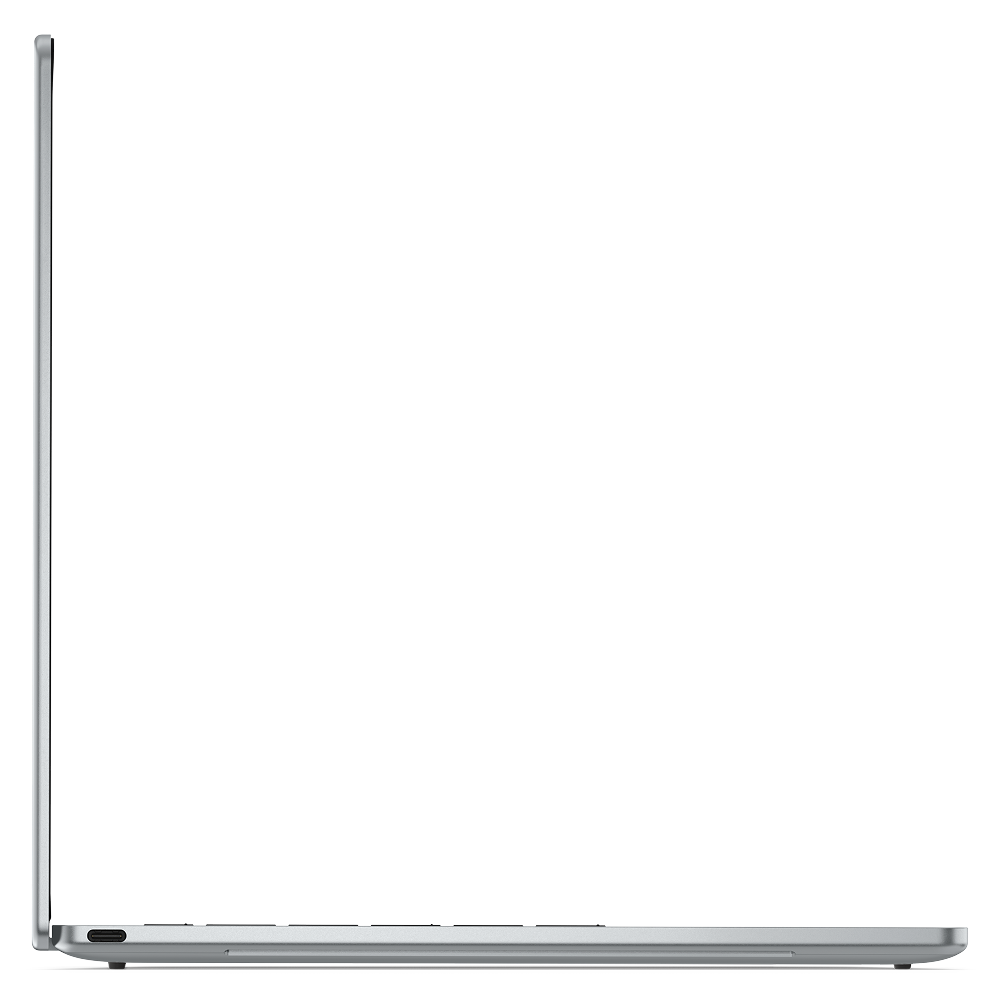
The base machine keeps several features that are often reduced in cheaper laptops: a 13.4-inch 2.5K touch display, backlit keyboard, quad speakers, Wi-Fi 7, and Windows face login. Dell also says the new model is its thinnest and lightest XPS so far at 12.7 mm and 2.2 pounds.
The first version uses an Intel Core 5 320 processor. A later version with Intel Core Ultra Series 3 chips is expected later this summer, with stronger options up to 32 GB of RAM and 1 TB of storage.
One comparison is clear. Against Apple's MacBook Neo at a similar student entry price, this machine offers a touch display and a broader feature list at the low end. Against Dell's own XPS 14, which now starts around $2,000, the new XPS 13 is a much more aggressive price move than the XPS badge usually suggests.
Why It Matters
This launch matters to buyers who want a smaller premium Windows laptop but do not want to start near the four-digit prices now common in the thin-and-light segment. The key upgrade is not the processor label. It is that Dell is trying to make better materials, a sharper display, and stronger everyday features reachable at a lower price.
Students, first-job buyers, and anyone replacing an older ultrabook should pay attention here. Many laptops near this price still cut corners on screen quality, keyboard lighting, speakers, or camera features. Dell is clearly trying to avoid that pattern.
There is still an obvious limit. The cheapest version may look attractive on paper, but 8 GB of RAM is harder to trust in a Windows laptop meant to last several years. If memory pressure shows up early in real use, the headline price will matter less than the compromise behind it.
Practical Takeaway
If you want an affordable premium-feeling Windows laptop, the new XPS 13 looks more interesting than many recent budget-premium attempts. It offers a stronger starting feature set than the name "entry XPS" might suggest.
Still, the safest buy may be a higher-memory version or the later Core Ultra model if pricing stays reasonable. Buyers who mainly browse, study, and handle office work may be fine with the cheaper model, but heavier multitaskers should wait for independent testing before treating the lowest configuration as the smart long-term choice.
Editorial process note: Prepared from official source materials and independent reporting, then edited under Notebook Center publishing standards.